
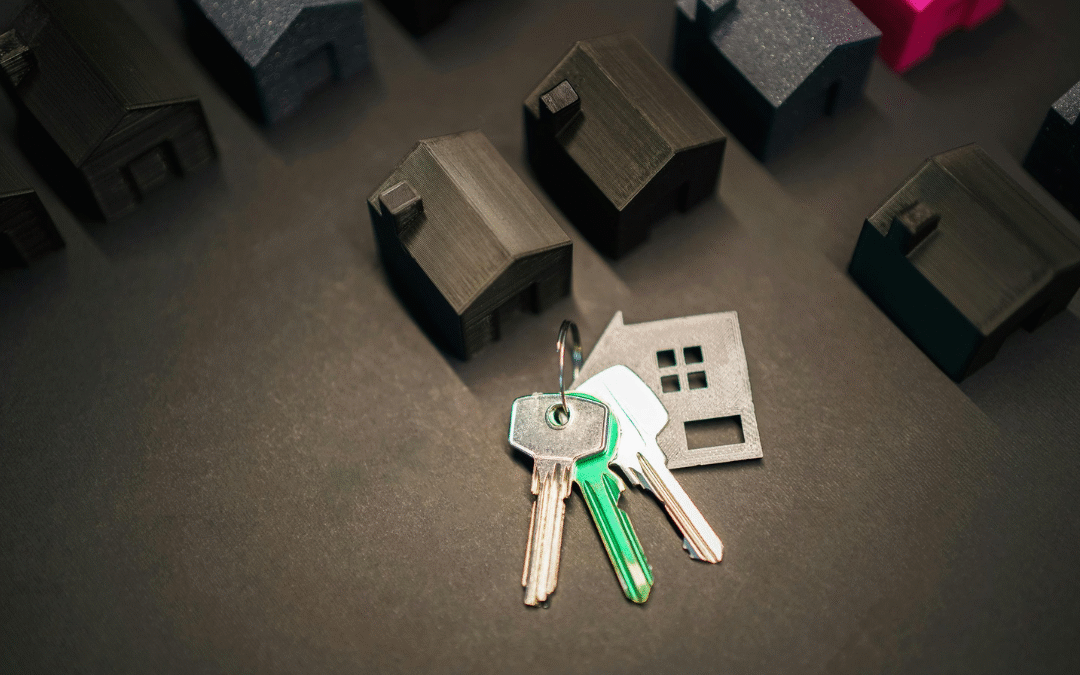
Tokenization, especially in real estate, means converting a property (such as a villa, apartment, or commercial unit) into digital tokens on a blockchain. Each token represents a fractional share of ownership or rights to the asset.
In Dubai, tokenization has transitioned from an idea to practice. The Dubai Land Department (DLD) launched a government-backed pilot, the first of its kind in the Middle East, to record title deeds on a blockchain through tokenization.
What does this mean for investors? Instead of needing hundreds of thousands or millions of dirhams to buy a property outright, tokenization allows you to purchase a fraction of a property for as little as around AED 2,000. This significantly lowers the entry barrier.
In short, tokenization opens access to real estate by allowing many people to co-own parts of a property, with each share represented digitally.
How Tokenization Works — Step by Step
- Property Selection and Legal Structuring
A developer or property owner selects an asset to tokenize. The property is often placed under a Special Purpose Vehicle (SPV) or a similar structure to limit financial and legal liability, making it easier to divide into shares or tokens. - Token Creation and Fractionalization
The property’s value is divided into many digital tokens, each representing a small fraction of the property. For example, a building worth AED 1 million could be tokenized into thousands of tokens. - Recording on Blockchain and Regulatory Compliance
Tokens are recorded on a blockchain, creating a permanent and secure ledger of ownership. In Dubai, the tokenization initiative works with official land-registry systems and follows a framework for digital assets through organizations like DLD and the Virtual Assets Regulatory Authority (VARA) to provide legal recognition of digital ownership. - Purchase via Tokenization Platforms
Using a tokenization platform (such as the one offered by DLD / Prypco Mint), investors complete KYC and AML checks and then buy tokens that represent ownership shares. Minimum investment amounts are low, starting at AED 2,000. - Ownership Rights and Income Distribution
Token holders receive rights based on their share, which may include a portion of rental income or future increases in property value. In some models, smart contracts automate the distribution of yields or sales proceeds. - Secondary Market and Liquidity
Because tokens are digital, they can be bought or sold on secondary markets, offering more liquidity than traditional real estate where selling a property can take months.
Why Tokenization Is a Good Investment (Especially for First-Time Buyers)
Low Entry Barrier
You can start investing with as little as AED 2,000, depending on the project. This helps first-time investors, young professionals, expatriates, and those with modest savings to access Dubai real estate without a large upfront amount.
Fractional Ownership & Diversification
Instead of putting all your money into a single property, you can spread investments across multiple properties—residential, commercial, luxury, or affordable—reducing concentration risk.
Improved Liquidity
Tokenized shares are easier to trade than entire properties, potentially shortening the time it takes to convert a holding into cash.
Transparency and Security
Ownership records on a blockchain are secure and verifiable. When combined with regulatory oversight from VARA, DLD, and other authorities, tokenization provides legal clarity and stronger investor protections.
Access to Global Investors
Digital tokens enable investors from across the world to participate, broadening capital reach and increasing demand for tokenized Dubai properties.
Potential Passive Income and Growth
Token holders may receive proportional rental income and share in capital appreciation. Some platforms report annual yields in the 8–12% range from rental streams, depending on the asset and structure.
Considerations & Risks — What Investors Should Know
Regulatory & Legal Risks
While Dubai’s framework is evolving, digital asset and tokenization regulations are still developing. Confirm platform compliance, licensing, and legal oversight before investing.
Liquidity May Be Limited
Secondary markets are emerging but not yet fully mature. Selling tokens may take time and could be subject to market depth and platform rules.
Smart Contract / Technology Risk
Blockchain and smart-contract vulnerabilities, custody failures, or cyberattacks are potential risks if platforms do not have robust security.
Market & Property Value Risk
Token values mirror the underlying property market. A decline in real estate prices will likely reduce token values too.
Due Diligence Required
Investors must choose reputable platforms, verify developer credentials, and understand fees for entry, exit, and ongoing management. Proper due diligence is essential.
Is Tokenization Right for First-Time Buyers?
Yes — tokenization can be especially valuable for first-time buyers and small investors who want exposure to Dubai real estate without a large capital outlay or a long-term mortgage commitment. Fractional ownership lowers the barrier to entry, while blockchain-backed records offer transparency.
That said, tokenization is not a quick-wealth scheme. It should be treated as a long-term investment with moderate risk and ideally form part of a diversified portfolio.
How Real Rewards Can Help
1. Platform & Compliance Guidance
We recommend regulated and verified tokenization platforms licensed under VARA, DLD, DIFC, or ADGM to ensure legal and regulatory safety.
2. Budget-Based Investment Planning
Whether your client has AED 2,000 or AED 200,000, Real Rewards can create tailored investment plans, enabling fractional purchases across several properties to balance risk and return.
3. Portfolio Diversification & Risk Management
We help clients spread investments across property types and locations to reduce concentration risk and improve long-term outcomes.
4. Education & Transparency
Real Rewards provides clear guides, fee breakdowns, risk assessments, and transparent reporting on income and payouts so clients can make informed choices.
5. Exit & Cash-Flow Strategy
We assist with planning for liquidity events, tracking yields, and reinvesting or diversifying returns to meet income goals.
6. Compliance & Legal Assurance
We manage legal documentation, token certificates, and regulatory checks to give clients peace of mind.
Conclusion
Tokenization is actively transforming Dubai’s real estate market by combining blockchain technology, regulatory clarity, and fractional ownership. For first-time buyers and small investors, tokenization removes traditional barriers—lowering entry costs, increasing transparency, and potentially providing passive income.
However, risks remain: regulation is evolving, secondary-market liquidity is developing, and technological risks exist. That’s why partnering with an experienced advisor like Real Rewards can make a meaningful difference—helping clients choose verified platforms, structure diversified portfolios, and plan for both growth and exits with confidence.